
July 13, 2026
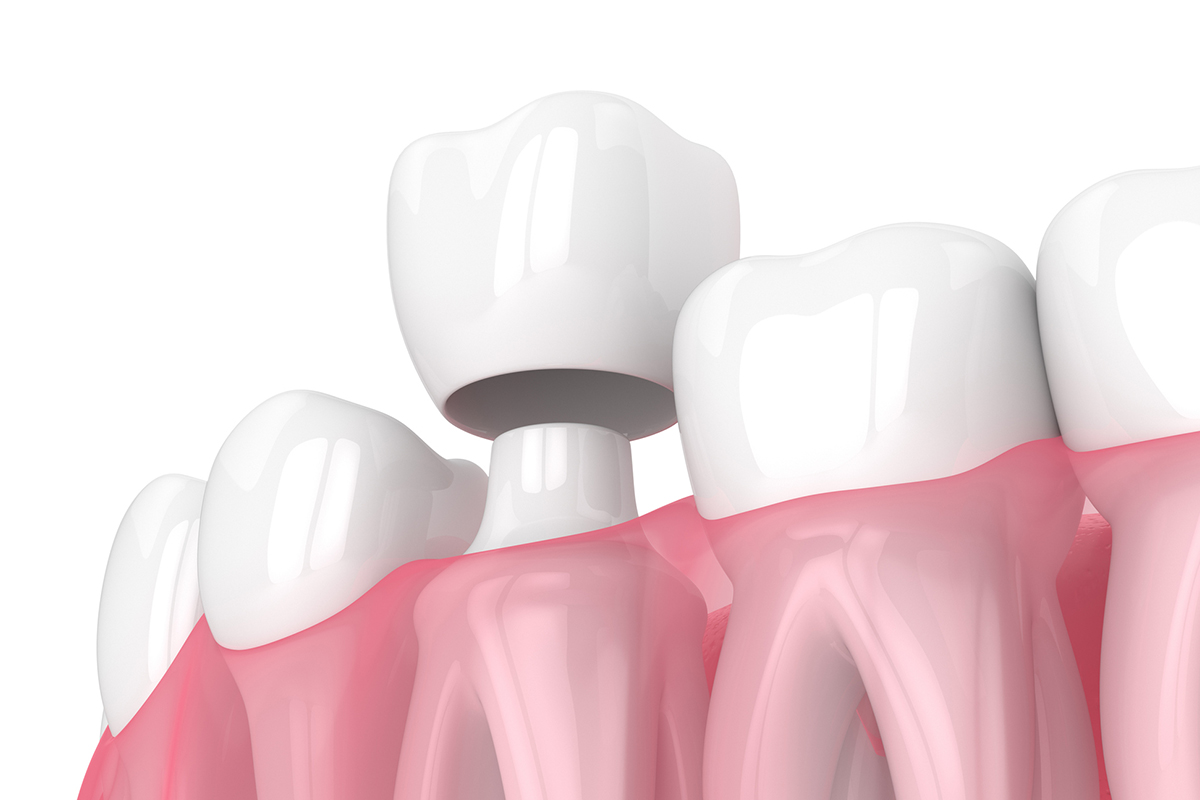
If you’ve broken or damaged a tooth, you may need a dental crown. Dental crowns are versatile appliances that protect and restore these teeth. They fit like a cap over a prepared natural tooth, covering the natural material and preventing further damage.
This article explains how crowns work and when your dentist may find them necessary to protect your oral health.
How Dental Crowns Work
Preparation
Before determining whether your tooth needs a crown, we will take X-rays to check for hidden problems. Next, we use a handheld device called an intraoral scanner to take mess-free digital impressions of your teeth and gums.
Design
We send the data from the intraoral scanner to a computer where the lab designs your crown using CAD/CAM technology. Next, we provide local anesthesia for your comfort and prepare the tooth by removing all decayed areas and broken edges. We take a second set of digital impressions to shape the inside. We combine the two impressions into a single 3-D digital model of your new crown.
The model then goes to the dental lab, where they produce your crown. We check the crown for a perfect fit before adjusting its bite and cementing it permanently atop the prepared tooth.
Five Signs You May Need a Dental Crown
1. Damaged or Failing Filling
If you have an older filling that is no longer doing its job, your tooth could be at risk of breakage. We will assess the strength of your existing restorations during your examination and let you know if we recommend a crown instead.
2. Cracked or Broken Tooth
Crowns effectively repair many broken teeth. Unless the break has gone below the gum line or there isn't enough natural tooth surface remaining, we can often restore your tooth with a new crown. Getting a crown soon after breaking your tooth could help prevent the need for a root canal in the future.
3. Root Canal-Treated Tooth
When performing a root canal, we remove the pulp and vital tissue inside the crown. Your tooth can quickly become brittle and develop a cavity or further break. Prompt crown placement after a root canal protects your natural tooth and its root system.
4. Tooth Damaged by Habitual Grinding or Bite Problems
Habitual tooth grinding (bruxism) is one of the leading causes of breakage. The teeth wear against each other night after night, chipping away at the natural enamel and leaving them unprotected. If your teeth are unevenly worn or appear flat on the chewing surfaces, you may have bruxism. We will need to check your teeth for damage. Issues like overbite and underbite can also cause excess wear.
5. Severe Tooth Discoloration or Cosmetic Issue
In addition to their extensive restorative benefits, crowns are a cosmetic staple. They can cover stains that whitening cannot address, including medication-related staining and internal discoloration.
Frequently Asked Questions About Dental Crowns
Why should I get a crown instead of having the tooth extracted?
A crown preserves the tooth’s natural root structure. An intact root provides chewing stimulation to the jawbone, keeping it healthy and strong. A crown helps prevent other teeth from shifting and protects a patient’s bite. It also restores natural chewing function. If you choose to extract the tooth without replacing it, you could develop oral health issues such as decay and gum disease in the surrounding areas.
Can a crowned tooth develop a cavity underneath?
Yes, a crowned tooth can develop a cavity in the remaining natural material. This most often occurs when patients neglect their oral hygiene and do not brush and floss well around the crown, or when the crown loosens due to age-related gum recession.
How long do dental crowns last?
Typically, you can expect a dental crown to last between 5 and 15 years. Some crowns last significantly longer with excellent care.
Should all root canal-treated teeth receive dental crowns?
Many dentists prefer to place crowns on all teeth that have undergone root canals. Without a crown, the treated tooth quickly dries out and becomes brittle, leaving it more vulnerable to further damage.
Does dental insurance cover crowns?
In most cases, crowns receive partial coverage. If the crown has primarily cosmetic effects, your insurer may choose not to cover it. It is always best to consult your insurer or our office team if you have questions.
Washington Park Family Dental offers advanced oral health care in a relaxing setting in Denver, CO. We take the time to ensure all our patients understand their treatment. We invite you to contact our practice and schedule an appointment today!